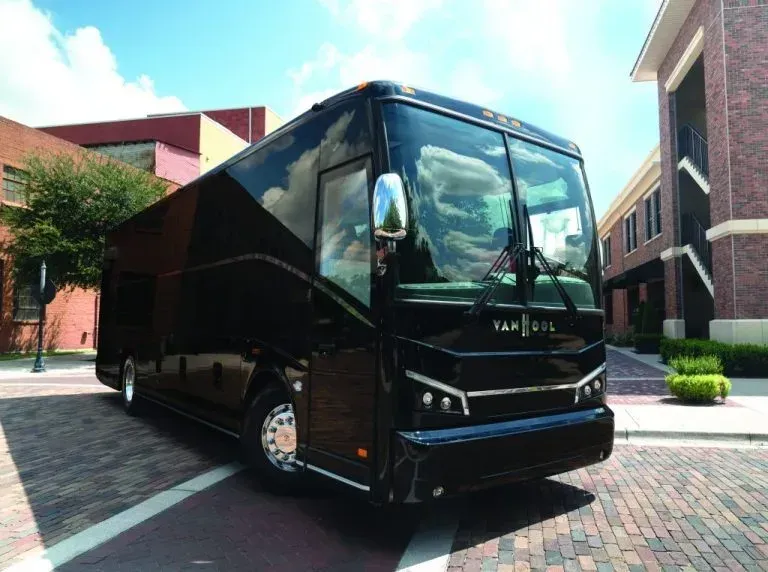
Planning transportation for a large group can easily become a demanding process when various schedules, pickup arrangements, and travel expectations need to be coordinated. Whether the occasion is a professional meeting, family event, social outing, or special gathering, coordinating punctual arrivals requires thoughtful organization. A properly planned transportation approach helps minimize confusion, decrease delays, and provide a more enjoyable experience for all participants. By focusing on the critical factors involved in group transportation planning, organizers can create an efficient travel experience throughout the entire trip.
When large parties travel together, transportation plays a role that goes beyond simply transporting passengers from place to place. It becomes an important part of the overall event experience. Well-managed coordination assists with maintaining schedules, encouraging communication, and creating a more pleasant travel experience. At A1 Quality Express Limousine, we appreciate the importance of delivering organized transportation arrangements that support convenient and reliable group travel.
Prepare Transportation Arrangements in Advance
Well-organized group transportation begins through early planning. Postponing transportation decisions until the last moment can limit flexibility and make accommodations more challenging. Organizers should first establish attendance numbers, travel dates, projected departure times, and destination details. Collecting this information in advance provides a strong basis for transportation plans that align with the event schedule.
Proactive planning creates time to address concerns before they develop into larger obstacles. Event schedules, transportation logistics, accessibility considerations, and roadway conditions all play a role in shaping transportation plans. By addressing these details ahead of time, organizers can develop a transportation strategy that keeps the group moving efficiently. Extensive preparation typically helps create smoother transportation experiences and minimizes unexpected challenges.
Determine the Exact Size and Needs of the Group
A critical transportation planning task is evaluating the number of participants and their specific requirements. Reliable attendance numbers contribute to selecting appropriate transportation options and maximizing efficiency. Attendance estimates should be confirmed early and adjusted as necessary as arrangements progress.
Beyond passenger numbers, it is important to consider individual needs within the group. Some travelers may require additional luggage space, while others may need special accommodations or assistance. Identifying these needs enables organizers to customize transportation solutions effectively. Thorough information gathering supports transportation arrangements that enhance convenience and comfort for every traveler.
Develop a Comprehensive Transportation Schedule
A precise transportation schedule provides direction for the entire group. Coordinators should define departure timings, pickup areas, estimated travel durations, arrival expectations, and stopovers along the route. A precise itinerary reduces ambiguity and helps every participant stay informed about their responsibilities. Consistency and clarity are especially valuable when managing larger groups with multiple participants.
Effective communication greatly contributes to schedule reliability. Travelers should receive full transportation instructions before the event starts. Sending itineraries through communication channels ensures all passengers remain updated. When passengers understand expectations, operations typically run without disruption.
Implement Central Pickup and Drop-Off Areas
Handling several pickup points can add unnecessary complications to large-group travel. Whenever possible, organizers should establish centralized pickup and drop-off points that are convenient for participants. Consolidating gathering locations helps streamline the boarding process and reduces delays caused by coordinating multiple stops. It contributes to clearer communication and better operational performance.
These locations simplify passenger tracking before the journey begins. Organizers can verify participants, communicate updates, and clarify details before the trip starts. This approach promotes readiness and keeps operations running according to plan. Clear gathering points play a major role in creating smooth travel experiences.
Prioritize Clear Communication Throughout the Process
Effective communication is one of the most valuable tools in successful transportation coordination. Travelers should be consistently informed about timing, pickup guidance, expectations, and updates. Providing precise details helps avoid confusion and improves readiness. Clear communication contributes to smoother operations and happier passengers.
Planners should implement dependable channels for sharing updates throughout the event. Group messaging systems, email notifications, and designated contact persons can help ensure information reaches all participants quickly. At the center of every successful plan, communication ensures consistency and awareness. Consistent information sharing helps ensure smooth and uninterrupted travel.
Plan for Unexpected Circumstances
Even the most organized transportation plans can experience surprises. Conditions such as weather, traffic, timing changes, and delays may demand immediate action. Adding flexibility to plans helps coordinators respond efficiently to unexpected issues. Good preparation improves resilience during unexpected changes.
Emergency planning should involve alternate communication methods, route options, and responsible contacts. Established procedures help minimize stress and ensure structured responses to challenges. Forward planning ensures transportation continues smoothly even when changes are required.
Emphasize Comfort and Convenience for Passengers
Comfort significantly impacts how passengers experience transportation. Large groups often spend extended periods traveling together, making convenience and comfort important considerations. Comfort-focused arrangements help create a pleasant journey atmosphere. A comfortable journey helps travelers arrive refreshed and ready.
Ease of travel contributes significantly to successful coordination. Efficient procedures and clear instructions reduce unnecessary difficulties. Well-structured transportation lets passengers enjoy the occasion without concern. A comfortable and convenient journey often enhances the overall success of the occasion.
Rely on Experienced Transportation Teams
Group transportation involves multiple moving components, making professional assistance highly valuable. Experienced providers know how to manage timing, passenger coordination, and operational efficiency. Their skills assist in managing logistics while keeping operations organized.
Skilled transport professionals bring practical knowledge that enhances coordination. Their expertise in group travel supports proactive problem-solving. By leveraging professional experience, organizers can focus on the event itself while transportation logistics are managed with attention to detail and care.
Integrate Group Transportation Into the Event Experience
Group travel should be treated as part of the event experience rather than basic transit. Well-organized travel allows participants to relax, interact, and enjoy the experience before arrival. Good coordination contributes positively to the event experience and creates a welcoming tone.
At A1 Quality Express Limousine, we understand that successful transportation relies on planning, communication, and customer care. Group transportation becomes manageable when structured methods are followed. By emphasizing structure, preparation, and comfort, groups can experience smooth travel that enhances any event. We are more info committed to creating reliable travel experiences that ensure passenger peace of mind.